
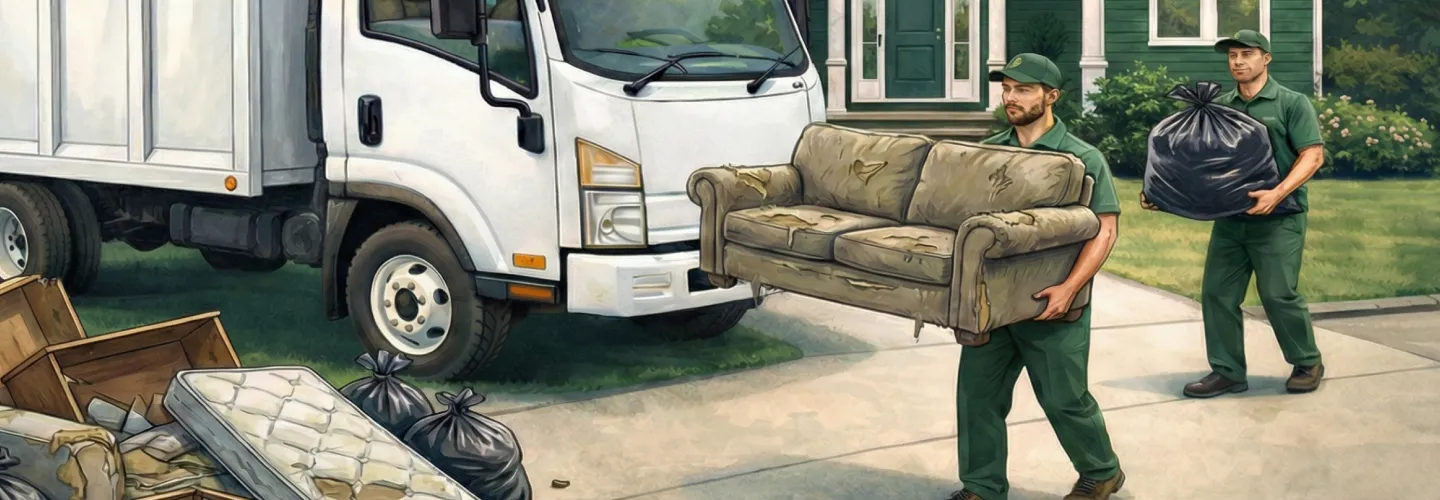
Fairburn Restaurants Junk Removal Services
Choose our Restaurants Junk Removal for fast, hassle-free service that keeps your kitchen and dining areas spotless, compliant, and ready for business—so you can focus on serving your customers.
Get a Free QuoteOur Fairburn Junk Removal Services
Restaurants Junk Removal in Fairburn, GA – Local Service Guide
Restaurants in Fairburn, GA, face unique challenges when it comes to junk removal, from regular kitchen equipment upgrades to post-renovation cleanouts. In busy areas like Downtown Fairburn and the Highway 29 corridor, efficient removal is crucial to minimize business disruption. Local restaurants often need to dispose of bulky appliances, outdated furniture, and food service equipment, especially during seasonal menu changes or after health inspections. Reliable junk removal ensures compliance with city codes and keeps operations running smoothly. For residential items, Fairburn neighborhoods such as South Wind and Cedar Grove see increased activity during spring cleanouts or after major appliance replacements. Commercial spaces, including those near Fairburn Industrial Park, require discreet, after-hours service to avoid impacting customers. Specialty services like construction debris removal are essential during restaurant remodels or expansions, requiring careful coordination and adherence to local disposal regulations. For more on local rules and resources, visit the Fairburn Public Works Department.
Key Considerations for Restaurants Junk Removal in Fairburn
- Timing removals to avoid peak dining hours
- Securing necessary permits for large disposals
- Using approved disposal and recycling channels
- Ensuring easy access for removal trucks in busy districts
- Managing high-volume waste during renovations or closures
- Coordinating with property managers for shared spaces
Benefits of Restaurants Junk Removal in Fairburn
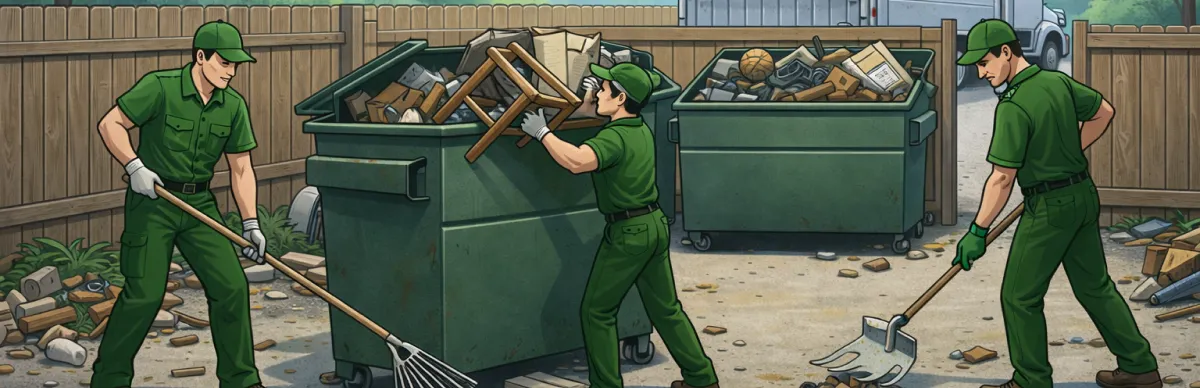
Fast and Reliable Service
Eco-Friendly Disposal Solutions
Flexible Scheduling Options
Licensed and Insured Team
Competitive Pricing
Comprehensive Junk Removal
Coordinating Restaurant Equipment Disposal with Fairburn's Public Works Department
Restaurant junk removal in Fairburn requires careful coordination with municipal waste management services to ensure proper disposal of commercial kitchen equipment, furniture, and fixtures. The Fairburn Public Works Department oversees sanitation services and can provide guidance on commercial waste hauling requirements for restaurant cleanouts. Restaurant owners and operators should be aware of the following disposal considerations:
- Commercial kitchen equipment such as ovens, fryers, refrigeration units, and exhaust hoods requires specialized handling due to weight, size, and potential hazardous components
- Grease traps and used cooking oil must be disposed of through licensed waste haulers and cannot be placed in standard municipal waste streams
- Refrigeration units containing refrigerants must comply with EPA Section 608 regulations requiring certified technician recovery before disposal
- Bulk furniture and fixtures including booths, tables, and countertops may require advance scheduling for removal from commercial zones
Restaurant operators should contact Public Works before initiating large-scale cleanouts to confirm commercial waste hauling protocols and any applicable permit requirements.
Fairburn Public Works Department
56 Malone Street, Fairburn, GA 30213
Phone: (770) 964-2244
Official Website: Fairburn Public Works Department
Georgia's Solid Waste Management Act and Restaurant Disposal Compliance
Restaurant junk removal in Fairburn must comply with the Georgia Comprehensive Solid Waste Management Act (O.C.G.A. § 12-8-20) administered by the Georgia Environmental Protection Division (GA EPD). This state law establishes the regulatory framework governing how commercial waste, including restaurant debris, is transported, processed, and disposed of across all Georgia municipalities. Key compliance requirements include:
- Solid waste handling permits are required for any entity transporting commercial waste for disposal in Georgia
- Landfill disposal restrictions prohibit certain materials including lead-acid batteries, used motor oil, and electronics from entering municipal solid waste landfills
- Appliances containing refrigerants such as walk-in coolers, reach-in refrigerators, and ice machines must undergo EPA-compliant refrigerant recovery by a certified technician prior to disposal
- Scrap metal separation is strongly encouraged under Georgia's waste reduction goals; stainless steel equipment, shelving, and metal fixtures should be diverted to recycling facilities
- Hazardous materials including cleaning chemicals, pesticides, and fluorescent lighting from restaurant facilities must be handled through authorized hazardous waste channels
Failure to comply with state solid waste regulations may result in civil penalties and enforcement actions through GA EPD.
Fairburn Code Enforcement and Health Department Standards for Restaurant Cleanouts
Restaurant closures, renovations, and lease turnovers in Fairburn must adhere to local code enforcement standards and health department requirements. The Fairburn Code Enforcement Division investigates property maintenance violations and ensures that commercial properties remain in compliance during and after junk removal operations. Restaurant operators should address the following regulatory considerations:
- Property maintenance codes require that debris, discarded equipment, and waste materials not accumulate on commercial properties or in adjacent public rights-of-way
- Building permits may be required through the Fairburn Building Division if restaurant junk removal involves structural modifications such as removing built-in equipment, counters, or interior walls
- Fire safety clearances must be maintained during removal operations; blocked exits, obstructed fire suppression systems, and improperly stored materials may trigger violations from the Fairburn Fire Department
- Pest control documentation should be obtained before and after cleanouts, as accumulated food waste and debris in restaurant environments may harbor pest infestations
- Noise ordinance compliance requires that removal activities using heavy equipment or trucks occur during permitted hours
Fairburn Code Enforcement Division
56 Malone Street, Fairburn, GA 30213
Phone: (770) 964-2244
Official Website: Fairburn Code Enforcement
Fairburn Building Division
56 Malone Street, Fairburn, GA 30213
Phone: (770) 964-2244
Official Website: Fairburn Building Division
Recycling and Material Recovery Options for Fairburn Restaurant Equipment
Diverting restaurant equipment and materials from landfills supports Georgia's waste reduction objectives and may reduce disposal costs for Fairburn business owners. The EPA Region 4 Southeast office provides guidance on commercial waste diversion strategies applicable to restaurant operations. Restaurant junk removal projects should prioritize the following material recovery pathways:
- Stainless steel and metal equipment including prep tables, sinks, shelving, and exhaust hoods hold significant scrap value and should be directed to licensed metal recycling facilities
- Functional kitchen equipment such as ovens, mixers, and smallwares in working condition may be donated to nonprofit organizations or restaurant supply resellers
- Electronic point-of-sale systems, monitors, and computers should be recycled through certified e-waste processors; Georgia does not currently have a statewide e-waste landfill ban, but responsible recycling is strongly recommended
- Fluorescent tube lighting and ballasts common in commercial kitchens contain mercury and must be recycled as universal waste under Georgia regulations
- Wood furniture, booths, and cabinetry in reusable condition may be accepted by local Habitat for Humanity ReStore locations or similar reuse organizations in the greater Fulton County area
Proper sorting and separation of materials before removal increases diversion rates and ensures regulatory compliance.
Safety Protocols and Hazardous Material Handling for Fairburn Restaurant Removal Projects
Restaurant junk removal presents unique safety challenges due to the presence of heavy commercial equipment, grease-laden surfaces, and potentially hazardous materials. OSHA workplace safety standards apply to all personnel involved in commercial removal operations. Key safety and material handling requirements include:
- Heavy equipment lifting of commercial ovens, walk-in cooler panels, and stainless steel counters requires proper rigging, dollies, and team lifting protocols to prevent musculoskeletal injuries
- Grease and slip hazards are prevalent in restaurant environments; removal crews should use non-slip footwear and clean work paths before moving heavy items
- Asbestos-containing materials may be present in older Fairburn restaurant buildings constructed before 1980, particularly in floor tiles, pipe insulation, and ceiling materials; a licensed asbestos survey is required before demolition or disturbance per EPA regulations
- Lead-based paint in pre-1978 commercial structures requires compliance with the EPA Renovation, Repair, and Painting Rule during any renovation-related removal
- Propane tanks and gas line disconnection must be performed by licensed professionals before removing gas-powered cooking equipment
- Chemical cleaning agents and pesticides found in restaurant storage areas are classified as hazardous waste and must be disposed of through Fulton County's household hazardous waste collection programs
What Neighborhoods Do We Serve Throughout Fairburn, GA?
- Downtown Fairburn: The historic commercial core features older restaurant buildings along Broad Street with narrow storefronts and limited rear-alley access. Equipment removal may require street-side loading coordination and awareness of historic district guidelines through the Fairburn Planning & Zoning Commission.
- Campbellton Road Corridor: This commercial corridor hosts numerous restaurant and fast-food establishments in strip mall configurations. Loading dock access and shared parking lot logistics require advance coordination with property management during removal operations.
- Duncan Memorial Highway Area: Restaurant properties along this major thoroughfare often have larger footprints with dedicated parking and rear service access. High traffic volume necessitates off-peak scheduling for truck loading to minimize disruption.
- Oakley Industrial District: Warehouse-style restaurant supply and catering operations in this area may involve large-scale equipment removal. Wide access roads and commercial loading infrastructure accommodate heavy equipment transport.
- Camp Creek Marketplace Vicinity: Restaurants near this retail hub operate in modern commercial developments with standardized loading zones and building management protocols. Certificate of insurance documentation is typically required before removal crews access these properties.
- Bohannon Road Residential-Commercial Mix: Smaller restaurant establishments in mixed-use areas along Bohannon Road may face residential noise restrictions and limited staging space for removal vehicles. Advance scheduling during weekday business hours is recommended.