
Fairburn Shed Removal Services
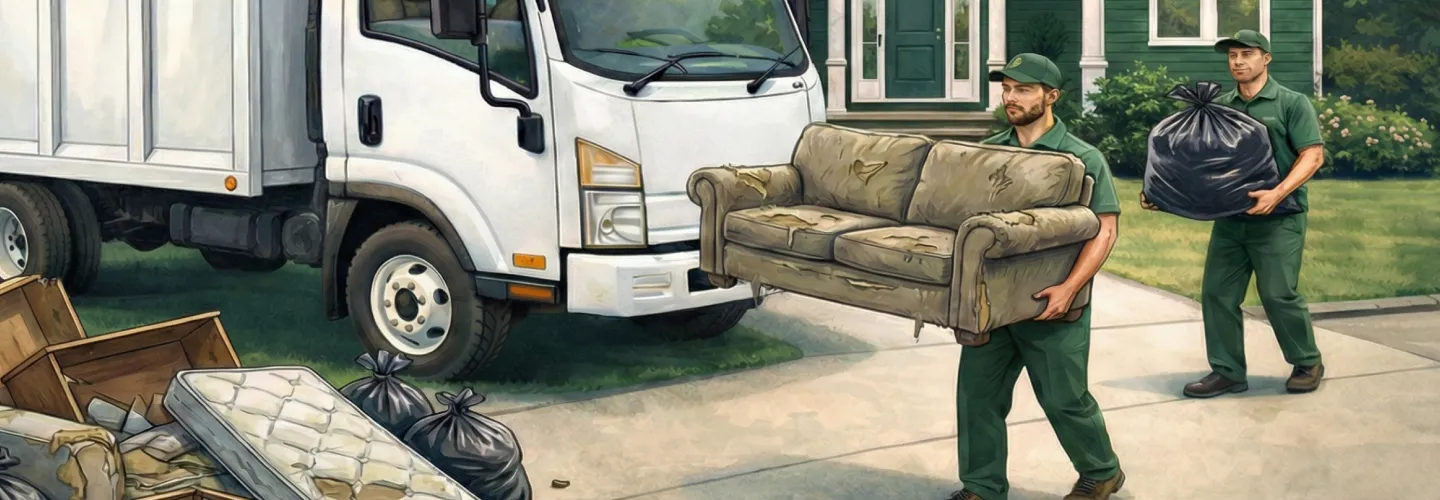
Choose our shed removal service for safe, efficient, and eco-friendly solutions—our experienced team handles everything from dismantling to disposal, saving you time and ensuring your property is left spotless.
Get a Free QuoteOur Fairburn Junk Removal Services
Shed Removal in Fairburn, GA – Local Service Guide
Shed removal in Fairburn, GA is a common need for homeowners updating their properties in neighborhoods like Cedar Grove and South Wind. Whether you’re replacing an old structure, making space for a new project, or clearing storm-damaged sheds, timing often aligns with spring cleanouts or after major weather events. In Fairburn, access can be a challenge due to narrow driveways or backyard layouts, and larger sheds may require special equipment for safe dismantling and hauling. Residents should consider local disposal options—many sheds can be recycled for scrap metal or donated if in good condition, while others must be disposed of according to city guidelines. Always check for required permits and coordinate with local services to ensure compliance with Fairburn’s regulations. For more on local rules and resources, visit the Fairburn Public Works Department.
Key Considerations for Shed Removal in Fairburn
- Confirm if a permit is needed for demolition or removal
- Plan around weather and yard access, especially in wooded or flood-prone areas
- Choose proper disposal channels: recycle, donate, or landfill
- Estimate shed size and volume for accurate removal quotes
- Coordinate with neighbors if access crosses property lines
- Be aware of category-specific items like electrical wiring or hazardous materials
Benefits of Shed Removal in Fairburn
Fast Shed Removal Services
Eco-Friendly Disposal Solutions
Experienced Shed Removal Team
Affordable Shed Removal Pricing
Safe and Hassle-Free Process
Flexible Scheduling Options
Coordinating Shed Demolition Permits with Fairburn's Building Division
Shed removal in Fairburn typically requires coordination with the city's permitting and code enforcement framework before any demolition work begins. Residential and commercial property owners should verify whether a demolition permit is necessary based on the shed's size, construction type, and foundation. Structures with electrical wiring, plumbing connections, or concrete foundations generally require formal permit review. Key steps include:
- Submit a permit application through the Fairburn Building Division before beginning demolition
- Verify zoning compliance with the Fairburn Planning & Zoning Commission to confirm no land-use restrictions apply
- Schedule inspections if the shed contains utility connections that must be properly disconnected
- Confirm setback and property line requirements to ensure removal equipment does not encroach on adjacent parcels
- Obtain HOA approval if the property falls within a covenant-controlled community
Failure to secure required permits may result in code violations and fines enforced by the city.
Fairburn Building Division
56 Malone Street, Fairburn, GA 30213
Phone: (770) 964-2244
Official Website: Fairburn Building Division
Sorting and Disposing of Shed Demolition Debris Through Fairburn Public Works
Once a shed is dismantled, the resulting debris must be sorted and disposed of in accordance with municipal solid waste requirements. Fairburn's Public Works Department oversees sanitation services and can provide guidance on bulk debris disposal options for residential properties. Shed demolition typically generates multiple material streams that require separation:
- Lumber and wood framing — untreated wood may be accepted at regional construction and demolition (C&D) recycling facilities; pressure-treated wood requires separate handling due to chemical preservatives
- Metal roofing, fasteners, and hardware — scrap metal should be separated for recycling at licensed scrap yards
- Asphalt shingles — some regional facilities accept shingles for recycling into road paving material
- Concrete and masonry foundations — clean concrete can often be recycled as aggregate; contact Fulton County transfer facilities for acceptance criteria
- Vinyl siding and plastic components — typically directed to lined landfill disposal
Residents should not place shed demolition debris at the curb for regular trash collection without prior authorization from Public Works.
Fairburn Public Works Department
56 Malone Street, Fairburn, GA 30213
Phone: (770) 964-2244
Official Website: Fairburn Public Works Department
Georgia's Solid Waste Management Act and Shed Demolition Compliance
All shed removal projects in Fairburn must comply with the Georgia Comprehensive Solid Waste Management Act (O.C.G.A. § 12-8-20) administered by the Georgia Environmental Protection Division (GA EPD). This legislation establishes statewide standards for the handling, transport, and disposal of construction and demolition waste. Property owners and contractors should be aware of the following requirements:
- Construction and demolition (C&D) debris must be transported to permitted C&D landfills or recycling facilities — not deposited in municipal solid waste landfills unless authorized
- Illegal dumping of shed materials on vacant lots, roadsides, or waterways carries penalties including fines and potential criminal charges under Georgia law
- Hazardous materials such as lead-based paint, asbestos-containing materials, or chemical residues found in older sheds must be handled by licensed abatement professionals per EPA Lead-Safe Renovation Rule standards
- Haulers transporting C&D waste must use permitted disposal facilities and maintain proper documentation of waste manifests
Sheds built before 1978 may contain lead-based paint, requiring testing before demolition begins.
Hazardous Material Identification and Safe Handling During Fairburn Shed Removal
Older sheds in Fairburn may contain hazardous materials that require specialized handling before demolition can proceed. Properties with structures built prior to 1980 should be assessed for potential environmental hazards. Common concerns during shed removal include:
- Lead-based paint — sheds constructed before 1978 may have lead paint on interior and exterior surfaces; EPA RRP Rule compliance requires certified renovators for disturbance of lead paint
- Asbestos-containing materials — older roofing shingles, siding, and insulation may contain asbestos fibers; a licensed inspector should conduct testing before demolition
- Pesticide and chemical residues — sheds used for garden storage may have contaminated shelving or flooring from spilled herbicides, fertilizers, or petroleum products
- Pressure-treated lumber — wood treated with chromated copper arsenate (CCA), common before 2004, should never be burned and requires disposal at facilities accepting treated wood waste
The Fairburn Fire Department can provide guidance on safe handling of flammable materials discovered during demolition. Fulton County periodically hosts Household Hazardous Waste collection events for proper disposal of chemicals, paints, and solvents recovered during shed cleanouts.
Fairburn Code Enforcement
56 Malone Street, Fairburn, GA 30213
Phone: (770) 964-2244
Official Website: Fairburn Code Enforcement
Recycling and Salvaging Reusable Materials from Fairburn Shed Demolition Projects
Diverting shed demolition materials from landfills supports environmental stewardship and may reduce disposal costs. Fairburn residents are encouraged to maximize material recovery during shed removal by identifying components suitable for recycling or reuse. Salvageable materials commonly found in shed demolition include:
- Doors, windows, and intact hardware — donate to Habitat for Humanity ReStore or similar building material reuse organizations in the greater Atlanta metro area
- Scrap metal — aluminum, steel, and copper components (hinges, brackets, wiring, roofing panels) can be sold to licensed scrap metal recyclers
- Clean, untreated lumber — dimensional lumber in good condition may be reused in other projects or donated to community organizations
- Concrete block and brick — clean masonry can be crushed and recycled as fill material at permitted C&D recycling facilities
The Georgia Tree Council provides resources on managing vegetation and tree limbs that may need removal to access shed demolition sites. Property owners should also consult the Fairburn Engineering Department if shed removal affects stormwater drainage patterns or grading on the property.
What Neighborhoods Do We Serve Throughout Fairburn, GA?
- Downtown Fairburn Historic District: Older residential properties may feature aging outbuildings with potential lead paint or asbestos concerns. Narrow lot configurations and proximity to neighboring structures require careful equipment positioning during shed demolition. Historic district review may apply for properties within designated boundaries.
- Camp Creek Marketplace Area: Commercial and mixed-use properties in this corridor may require coordination with business operations during shed or outbuilding removal. Larger lots generally provide adequate equipment access, though commercial waste hauler licensing may be required.
- Duncan Memorial Park Vicinity: Established single-family neighborhoods with mature tree canopy may present overhead clearance challenges for removal equipment. Stormwater management considerations apply near park drainage areas.
- Campbellton Road Corridor: Properties along this corridor feature a mix of residential and light commercial structures. Shed removal projects may require right-of-way coordination if equipment staging extends onto public roadways.
- Bohannon Road Residential Area: Newer subdivisions with HOA governance may require advance written approval before shed demolition. Wide driveways and cul-de-sac layouts generally accommodate removal equipment without street access issues.
- Oakley Industrial District: Commercial and industrial properties may have larger storage structures requiring heavy equipment for demolition. Compliance with commercial waste disposal regulations and proper C&D debris manifesting is essential in this zone.